


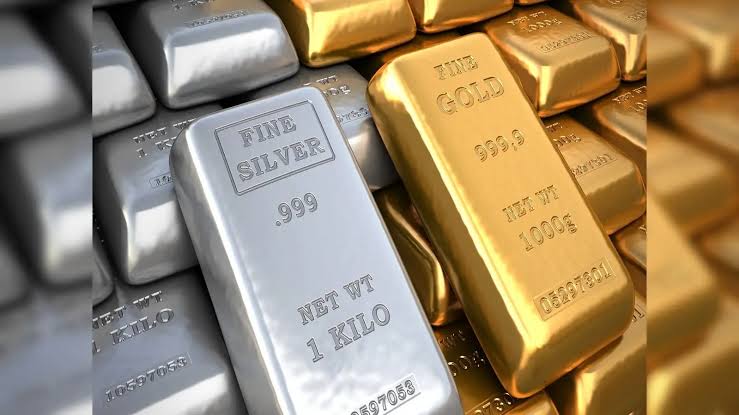
Every household in India seems to have its own quiet relationship with silver, whether it is a set of coins tucked away for safekeeping or a piece of jewellery worn only on special occasions. A young professional settled in a fast-growing satellite city might check the silver price in Noida while planning a small gift for a colleague’s wedding, while a homemaker in an eastern metro known for its cultural depth might look up the silver price in Kolkata before deciding whether to add to her family’s collection ahead of a festival. This everyday curiosity about silver rates, regardless of where one lives, reflects a shared understanding among Indians that this metal is both practical and meaningful, capable of serving as a gift, a keepsake, and a modest financial cushion all at once.
Silver as a Modest Entry Point Into Precious Metals
For many first-time buyers, silver often serves as an entry point before investing in gold. Its relatively low price per gram makes it possible to acquire a tangible possession of a precious metal with a smaller amount of money, which is more accessible to the youth and those starting to build their finances. Students getting their first salary, newly married couples setting up their household, or parents looking to teach their children an initial lesson in saving are more likely to start their collection with silver coins or a simple piece of jewellery.
Such occasions make silver a great present for friends and colleagues, signifying a good relationship or an appreciation of the other person without breaking the bank. A silver coin bought with a religious symbol engraved on it is a common gift for housewarming, childbirth, or holiday season presents between neighbours or coworkers.
Understanding Resale Value and Depreciation in Silver Jewellery
One should also understand that silver jewellery differs significantly from bars or coins in terms of resale value and potential for depreciation. Whereas flat silver pieces usually are repurchased at a price close to the one they were bought for, intricate silver jewellery has a considerably lower resale value due to the additional cost of work put into the piece. Therefore, what may be seen as a great investment for some may prove to be a losing deal for others.
More experienced buyers will advise putting money into silver coins or bars, rather than in jewellery pieces, if the intention is to resell the purchase at a later time, having benefited from the difference in buying and selling price. Whereas coins and bars have a predictable value, jewellery is more of an emotional and cultural investment.
The Role of Women in Household Silver Ownership
Women in India have traditionally been the owners of household silver, managing their own small collection of jewellery bought on special occasions and presented to them by family members. Their collection acts as a safety net they can rely on in times of need without tapping into the family budget.
This notion still remains relevant today, although women begin to actively research and track the price differences on silver pieces rather than solely relying on their usual family jeweller. Being able to calculate the difference on their own allows them to know the best time to buy a particular piece as well as potentially sell a piece of jewellery if the need arises.
Storage, Maintenance and Other Practical Considerations of Silver Ownership
Silver owners across India would also note that silver requires a bit more maintenance and storage attention compared to gold. While the latter can be kept in any safe and secure place without much worry, silver tends to tarnish when left unattended. Families often have their own collection of silver pieces carefully wrapped in tissue paper or stored in airtight jars to avoid oxidation and damage.
Silver buyers, especially those buying big collections of utensils or pieces meant for display will often consult their local jeweller on the best way of preventing such damages as to prolong the lifespan of the pieces and the value they retain.
Making Thoughtful Choices in Silver Buying Decisions
As awareness about certification and quality increases, so does the level of Indian buyers’ understanding of the metal and its common practise in local markets. Indian buyers from various cities and locations are now more likely to do their homework before buying a big piece of silver as a gift or for personal collection, factoring in whether the purpose was religious, decorative or an investment with potential for re-sale.
Therefore, silver retains its status as a popular collector’s item among Indians while also being a mark of cultural heritage and tradition. Whether bought in a city or in a traditional art district, silver is a great investment for families who wish to participate in the local market economy.
