


Replacing an air conditioner is one of the most important home improvement decisions a homeowner can make. While a new cooling system can improve indoor comfort, reduce energy consumption, and provide more reliable performance, the wrong choices during the replacement process can lead to unnecessary expenses and long-term frustration.
From selecting the wrong unit size to overlooking the importance of professional AC installation, even small mistakes can affect efficiency, comfort, and the lifespan of your HVAC system. Choosing the right AC installation for efficient cooling can help ensure your system operates at peak performance while keeping energy costs under control. Understanding these common pitfalls before investing in a replacement helps you make informed decisions and protect your budget. In this guide, we’ll explore the six most costly mistakes homeowners make when replacing an air conditioner and share practical tips to help you achieve efficient, dependable cooling for years to come.
1. Choosing the Wrong Size Air Conditioner
One of the biggest mistakes homeowners make is assuming that bigger always means better. In reality, an oversized air conditioner cools the home too quickly, causing it to cycle on and off more frequently. This reduces efficiency, increases wear on the system, and often leaves excess humidity indoors.
On the other hand, an undersized unit struggles to keep up during hot weather, leading to higher energy use and uneven temperatures.
A qualified HVAC professional should perform a proper load calculation that considers factors such as:
- Square footage
- Ceiling height
- Window placement
- Insulation levels
- Local climate
- Number of occupants
This assessment helps ensure the system matches your home’s actual cooling needs.
2. Focusing Only on the Lowest Price
It’s natural to compare quotes, but selecting the cheapest option without understanding what’s included can become an expensive decision later.
Lower-priced installations may involve:
- Lower-quality equipment
- Inexperienced installers
- Limited warranties
- Missing upgrades needed for proper performance
Instead of looking only at the initial cost, consider the overall value. A well-installed, energy-efficient system may cost more upfront but often delivers lower utility bills, fewer repairs, and a longer service life.
3. Ignoring Energy Efficiency Ratings
Many homeowners replace an aging air conditioner without paying attention to efficiency ratings. While older systems may still operate, newer models are often designed to use less electricity while delivering better comfort.
Higher-efficiency equipment can help reduce monthly operating costs, especially in regions with long cooling seasons.
When comparing options, consider:
- Seasonal energy efficiency ratings
- Variable-speed technology
- Smart thermostat compatibility
- Manufacturer warranties
Choosing an efficient system isn’t only about saving energy—it’s also about improving comfort throughout your home.
4. Overlooking the Importance of Professional Installation
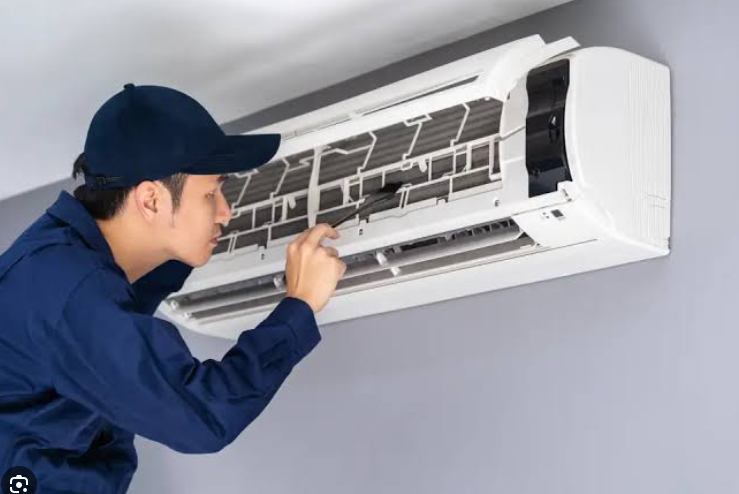
Even the best air conditioner won’t perform properly if it’s installed incorrectly. Poor installation is one of the leading causes of early equipment failure, reduced efficiency, and frequent service calls.
Professional installers ensure that refrigerant levels, airflow, electrical connections, and ductwork all meet manufacturer specifications. These details directly affect how well the system operates over time.
If you’re investing in a new unit, quality workmanship should be considered just as important as the equipment itself. Reliable ac installation for efficient cooling helps maximize performance and protects your investment.
5. Forgetting to Evaluate Existing Ductwork
Many homeowners replace the air conditioner while assuming their existing duct system is still in excellent condition. Unfortunately, damaged or poorly designed ductwork can significantly reduce the performance of a brand-new system.
Common duct problems include:
- Air leaks
- Poor insulation
- Crushed or disconnected ducts
- Uneven airflow
- Dust buildup
Even a high-efficiency air conditioner cannot compensate for major duct issues. Having the ductwork inspected before installation helps ensure cool air reaches every room efficiently.
6. Skipping Future Maintenance Planning
Replacing an air conditioner isn’t the end of the process. Like any major mechanical system, regular maintenance helps keep it operating efficiently.
Without routine service, dirt buildup, clogged filters, and worn components can gradually reduce performance.
A simple maintenance routine includes:
- Replacing air filters regularly
- Keeping outdoor units free of debris
- Scheduling annual professional inspections
- Monitoring unusual noises or reduced airflow
- Keeping vents open and unobstructed
Preventive maintenance can extend equipment life while helping identify small issues before they become expensive repairs.
Expert Tips Before Replacing Your Air Conditioner
Before committing to a new HVAC system, take time to compare more than just equipment models.
Consider asking your contractor questions such as:
- Has a home load calculation been completed?
- Are permits required for the installation?
- What warranty covers both equipment and labor?
- Will existing ductwork be inspected?
- What maintenance is recommended after installation?
Clear answers to these questions can help you make a more informed decision and avoid unexpected costs later.
Conclusion
Replacing an air conditioner is a significant investment, but avoiding a few common mistakes can make a noticeable difference in your home’s comfort and your long-term expenses. Choosing the right system size, prioritizing professional installation, evaluating ductwork, and planning for ongoing maintenance all contribute to better performance and reliability.
Rather than focusing solely on the lowest upfront price, look at the complete picture. A properly selected and professionally installed cooling system can provide years of dependable service, improved energy efficiency, and greater peace of mind.
