


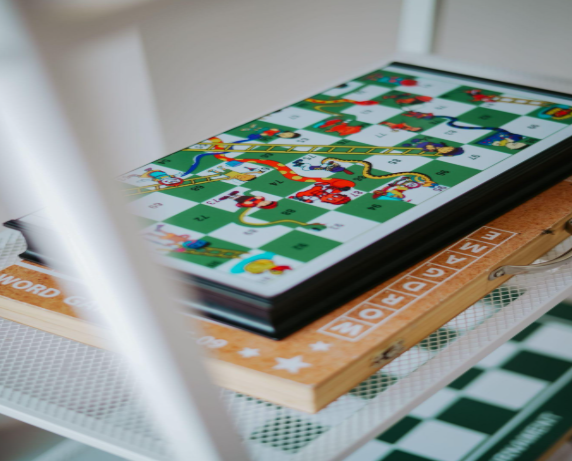
Playtime is an important part of childhood, but every game provides a different experience for children. Some games help children think, create and interact, while others let them explore more. Whether to choose between indoor games and outdoor games depends on each child’s individual preferences, daily routine and environment.
Both types of games benefit children and let them enjoy themselves in their own way. Continue reading to explore the differences between them and choose the right one for your child.
Indoor vs Outdoor Games: A Quick Comparison
The table below displays the detailed comparison between indoor and outdoor games:
| Parameter | Indoor Games | Outdoor Games |
| Space Required | Small to moderate | Large |
| Weather Conditions | Nothing specific – playable all year round | High – impacted by rain, heat and pollution |
| Physical Intensity | Low to moderate | Moderate to high |
| Group Size | Typically small groups | Large groups or even teams |
| Examples | Carrom, table tennis, chess, badminton | Cricket, basketball, football |
| Ideal for | Increasing focus and mental sharpness | Endurance, maintaining fitness |
What are the Benefits of Indoor Play?
Indoor play time gives children a comfortable space to stay active, learn new activities and enjoy playtime. It also promotes social interaction and creative thinking.
Organized and Structured Play Zones
Indoor play areas have different spaces for various activities. Children can easily move from game activities to creative and physical play activities. They can also indulge in traditional games of India in a more organised setup.
Safe Play Environment
A well-planned indoor space provides children with a safe environment for play. A safe environment can be characterized with even flooring, appropriate equipment, and organised play zones.
Hygiene and Cleanliness
Indoor playgrounds are cleaned and maintained regularly. Properly cleaning surfaces and equipment creates a healthier environment and supports hygiene for kids and families.
Weatherproof Playtime
In indoor spaces, children can keep playing even in poor weather, extreme heat or other weather conditions. This helps them maintain playtime regularly throughout the year.
What are the Benefits of Outdoor Play?
In outdoor play, children get enough space to explore, move and enjoy their surroundings. Also, supports physical activity and learning through daily experiences.
Freedom to Move and Play
Children have more space in outdoor areas to run, jump, climb, and play various games. This freedom helps them stay active and improve their balance, coordination and movement skills. They may also choose activities aligning their interests.
Sensory Development
Children experience various sights, sounds, textures and smells in outdoor play. Sensory experiences are gained through touching leaves, feeling grass and listening to birds. These activities promote children’s curiosity and encourage them to observe the world around them using their senses.
Exposed to Nature
Outdoor play gives children the opportunity to connect with nature. They can see plants, insects, changing seasons, clouds and more. Simple activities like gardening, gathering leaves or watching the birds also encourage curiosity. Outdoor play also provides children with opportunities to explore the natural world with enjoyment.
When to Choose Indoor vs Outdoor Games?
Whether to choose between indoor vs outdoor games depends on the age of the child, their interests, space area and weather conditions. Both options are convenient and help children stay active through play.
Consider indoor games if:
- The weather is rainy, very hot or uncomfortable for outdoor play.
- The child needs a safe, secure play environment.
- Very limited or no outside facilities are available.
- The activity includes puzzles, board games, crafts, etc. (quieter activities).
- You want children to have fun group activities in a well-structured environment.
Consider outdoor games if:
- The weather is comfortable, and the child has a safe outdoor area.
- The activity includes running, jumping, cycling or other movement or physical activity.
- You would like them to learn about nature and get to know their surroundings.
- The game promotes physical activity and movement.
Conclusion: Which One is Better for Kids?
Playing can be an important part of a child’s daily routine, irrespective of whether it takes place indoor or outdoor. The right activity depends on the child’s mood, interests, and routine. A variety of games can keep playtime fun and introduce children to new experiences.
Parents and caregivers can provide age-appropriate options and give children enough space to explore. A positive attitude towards play can help children enjoy their leisure time while building interest in active and creative play.
