


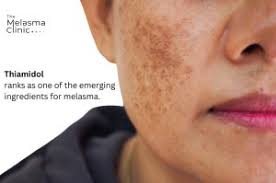
Thiamidol is a newly patented active ingredient for hyperpigmentation that specializes in reducing discolored spots and preventing them from reappearing. With such a revolutionary profile, it is understandable that people must be eager to know more about the product to assess their options. As hyperpigmentation is a cosmetic concern affecting the face, individuals often worry about potential side effects when seeking solutions. Here is where we come in to explain the science behind Thiamidol, assessing its reactions and potency to deal with pigmentation concerns.
What is Thiamidol: How does it work?
Thiamidol is a patented topical active product by Eucerin, designed to effectively target pigmentation along with its markers to ensure the lack of resurgence with time. Pigmentation occurs when a trigger, such as UV rays, comes in contact with the skin, which jump-starts the process of melanin synthesis in the body to protect the skin from photodamage. The reason for pigmentation on the face can be multifaceted and may include prolonged sun exposure, hormonal changes, hormonal medication, age, and lifestyle factors.
Thiamidol is effective in addressing hyperpigmentation caused by these issues by seamlessly restricting tyrosinase, a key enzyme in melanin synthesis. In doing so, thiamidol efficiently reduces the production of the pigment, which in turn allows for the fading of existing pigmented spots on the skin. In fact, research may also suggest that this is one of the most effective inhibitors of human tyrosinase. Seems revolutionary, right?
Potential side effects of Thiamidol
As a skin care product, Thiamidol is generally well tolerated, making certain formulations even safe for sensitive skin types. Incidents of adverse reactions manifesting on the skin are relatively low, with most individuals experiencing mild to no significant issues. In case of thiamidol side effects, individuals may encounter either:
- Mild irritation: Individuals getting acquainted with the product may experience mild irritation at the start. This effect is essentially temporary and may subside once the skin adjusts to the new ingredient.
- Redness: On some accounts, you may experience redness during the initial uses of the product. This can potentially be a sign of mild inflammation or increased blood flow to the skin.
- Stinging: Similar to other active ingredients, people may also feel slight stinging. However, the skin quickly adjusts to its tolerability after a few uses.
How to Mitigate these Potential Side Effects?
Just like any other treatment serum, one should always take into account these factors when introducing products with thiamidol into their routine:
- Before applying the product all over your face, always run a patch test on a small area such as your inner arm. Monitor this area for any potential irritation over a 24 to 48 hour period.
- Look for products that pair Thiamidol with other soothing ingredients such as panthenol, ceramides or even hyaluronic acid. This helps in securing hydration to the skin, reducing irritation, and promoting barrier function.
- Always make sure to incorporate sunscreen into your skincare routine. A high-protection sunscreen with SPF 50+ helps in protecting the skin from UV damage and inflammation, both of which can be a trigger for pigmentation.
- Lastly, always make sure to consult your dermatologist before incorporating a new product or an active ingredient into your skincare routine. This will not only help you mitigate side effects but also present you with personalized recommendations that can boost your skin health.
Conclusion
Thiamidol is a gentle and promising approach towards managing hyperpigmentation efficiently. It causes mild to few side effects, which can be mitigated with the precautions above. This allows you to minimize the risk of reactions drastically and reap the benefits of Thiamidol with ease.
