


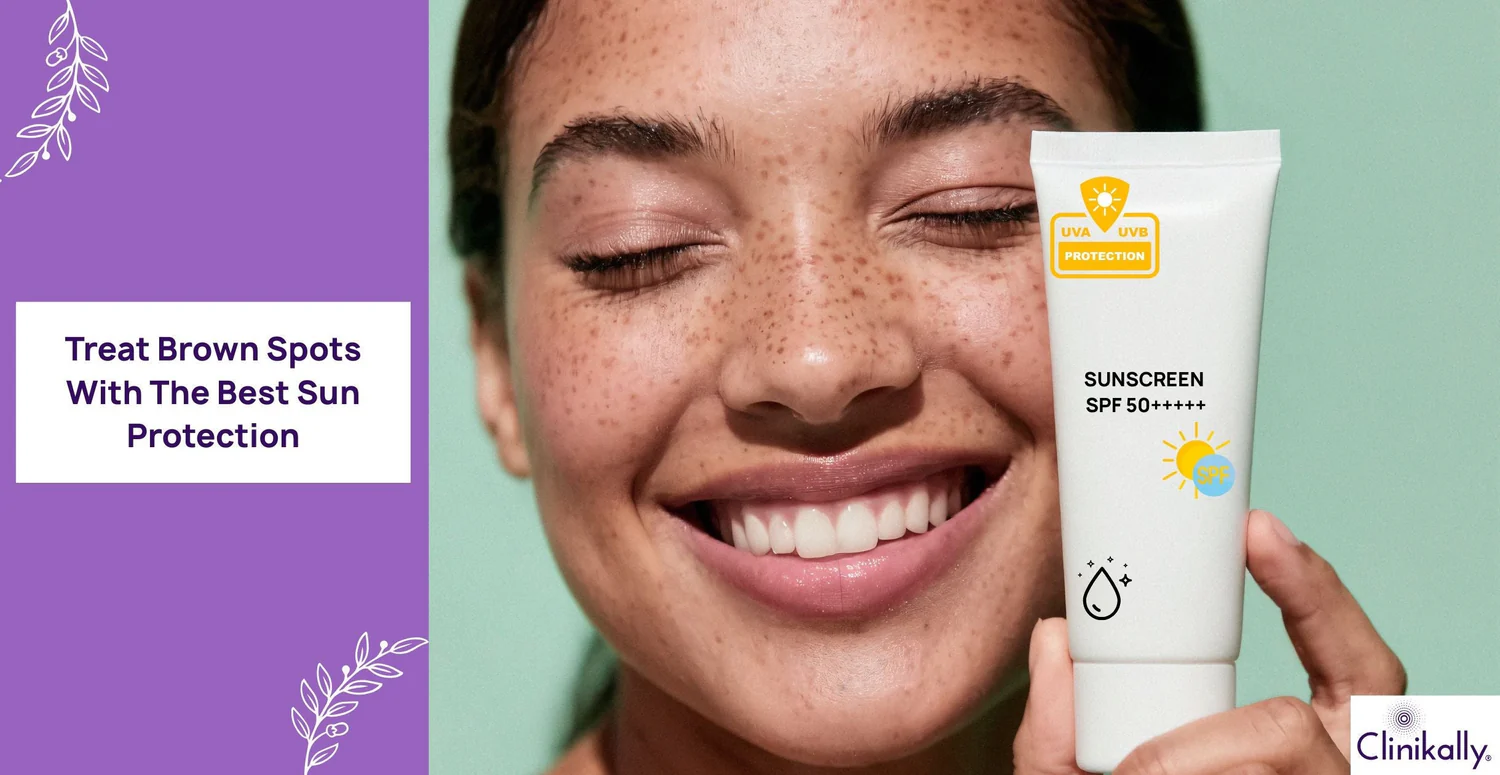
Pigmentation and dark spots are common skin concerns that can affect anyone, regardless of skin type. Sun exposure is one of the primary triggers for hyperpigmentation, making daily sun protection essential. Choosing the best sunscreen for pigmentation can help prevent new dark spots while protecting your skin from further damage.
Below is a guide to understanding how sunscreen works for pigmentation and how to choose the right product for healthier, even-toned skin.
Why Sunscreen Is Essential for Preventing Pigmentation
Sunlight contains ultraviolet (UV) rays that stimulate melanin production in the skin. While melanin protects the skin, excessive production leads to dark spots, uneven skin tone, and worsening pigmentation.
Using a sunscreen cream daily offers several benefits:
- Protects the skin from harmful UVA and UVB rays
- Prevents existing pigmentation from becoming darker
- Reduces the risk of new dark spots forming
- Helps maintain an even skin tone
- Supports the effectiveness of other skincare treatments
Without proper sun protection, even the best skincare products for pigmentation may not deliver the desired results.
Features to Look for in the Best Sunscreen for Pigmentation
Not all sunscreens provide the same level of protection. When choosing the best sunscreen for pigmentation, look for formulas that provide broad and long-lasting coverage.
Key features to consider include:
- Broad-spectrum protection – Protects against both UVA and UVB rays
- SPF 30 or higher – Provides adequate protection from sun damage
- Lightweight and non-greasy formula – Ideal for daily use
- Non-comedogenic ingredients – Prevents clogged pores and breakouts
- Added antioxidants – Helps fight free radical damage
Dermatologists often recommend using a sunscreen cream that suits your skin type and lifestyle to ensure consistent protection.
How to Apply Sunscreen Correctly
Using sunscreen properly is just as important as choosing the right product. Incorrect application can reduce its effectiveness and leave your skin vulnerable to sun damage.
Follow these simple steps:
- Apply sunscreen as the final step in your morning skincare routine
- Use about a nickel-sized amount for the face and neck
- Apply 15–20 minutes before going outdoors
- Reapply every two hours if you are outside for long periods
- Reapply after sweating or swimming
Consistent application of a sunscreen cream helps ensure maximum protection throughout the day.
Additional Tips to Prevent Dark Spots
Along with sunscreen, adopting healthy skincare habits can further reduce pigmentation and protect your skin.
Helpful practices include:
- Wear wide-brimmed hats and sunglasses when outdoors
- Avoid direct sun exposure during peak hours (10 a.m. to 4 p.m.)
- Use skincare products with vitamin C or niacinamide
- Exfoliate gently to remove dead skin cells
- Maintain a consistent skincare routine
Combining these habits with the best sunscreen for pigmentation can significantly improve your skin’s overall appearance.
Conclusion
Pigmentation can be frustrating, but protecting your skin from the sun is one of the most effective ways to prevent and manage dark spots. Choosing the right sunscreen and applying it consistently can help maintain a brighter, more even complexion.
By incorporating a high-quality sunscreen cream into your daily routine, you not only protect your skin from harmful UV rays but also support long-term skin health and reduce the chances of developing stubborn pigmentation.
