


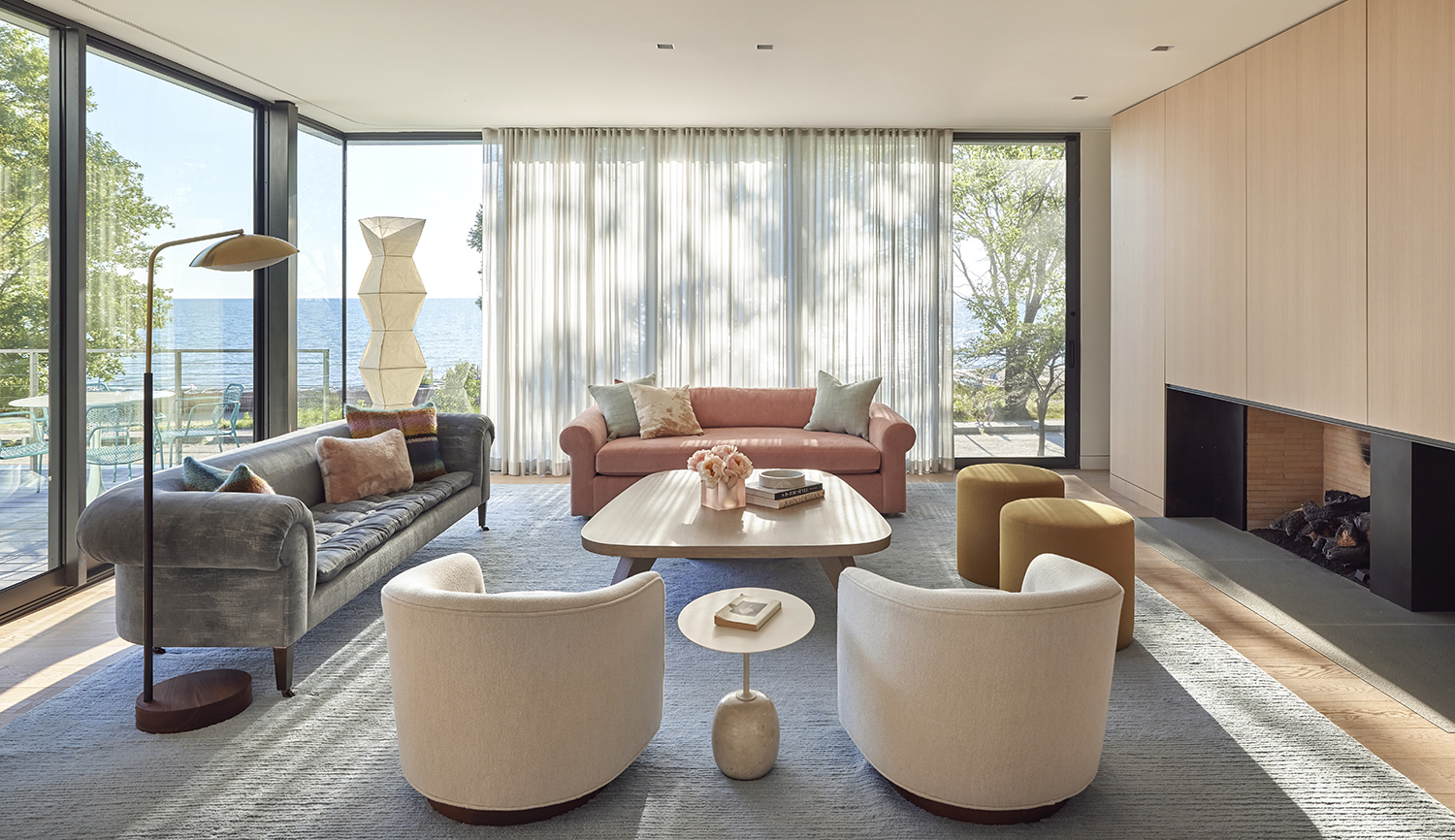
Window treatments don’t usually scream for attention. But when they’re wrong? They quietly age a room by about 15 years. The tricky part is that most of these mistakes feel small. A rod hung a little too low. Panels are a little too narrow. Fabric that felt safe at the time.
Individually, they don’t seem dramatic. Together, they make a space feel stuck. Here are seven of the most common window treatment mistakes and how to fix them.
1. Hanging the Curtain Rod Too Low
This is the classic.
If your rod is sitting directly on top of the window trim, your ceilings instantly look shorter. The whole room compresses vertically.
The fix is simple: mount the rod higher. Ideally, 4–8 inches above the trim, or even closer to the ceiling if your proportions allow it.
Height creates elegance. Low rods create squat rooms. It’s one of the easiest upgrades you can make.
2. Not Going Wide Enough
Curtains that barely cover the glass when closed look skimpy. And skimpy reads as dated.
Your rod should extend beyond the window frame so that when the panels are open, they sit mostly on the wall, not blocking light. This makes the window feel larger and the room more generous.
Fullness matters too. Thin, flat panels that look stretched don’t feel finished. Properly scaled custom curtains instantly elevate a space because they’re designed to have the right width and proportion.
Underestimating fabric is one of the fastest ways to cheapen a room.
3. Overly Matchy-Matchy Fabric
Remember when everything in the room matched the curtains exactly?
Sofa. Pillows. Curtains. Maybe even the lampshade.
That era has passed.
Modern rooms feel layered, not coordinated down to the inch. If your window fabric perfectly matches every other textile in the room, it can feel frozen in time.
Instead, look for complementary tones or subtle contrast. The space will feel more collected and less like it came in a set.
4. Heavy Valances That Cut the Window in Half
There was a time when bulky top treatments were everywhere.
Today, thick, overly structured toppers often make windows feel smaller and ceilings lower, especially in standard-height American homes.
That doesn’t mean top treatments are always wrong. When proportioned correctly, custom window valances can still work beautifully in traditional interiors. The key is scale and simplicity.
If the valance feels like it’s swallowing the top third of the window, it’s time to reconsider.
5. Ignoring Roman Shades Entirely
For years, blinds dominated. Then oversized drapery. Roman shades sometimes get overlooked, and that can leave a room feeling flat.
Structured, tailored shades add polish without bulk. In transitional and traditional homes, especially, custom roman shades bring in softness and architectural detail at the same time.
If your windows currently have basic vinyl blinds that came with the house, upgrading to fabric shades can completely shift the mood.
It’s one of those changes that feels small but looks big.
6. Choosing Trendy Colors That Date Quickly
Deep red. Olive green. Heavy gold. Very specific trend-driven grays.
When window treatments lean too hard into a short-lived color moment, the room ages as soon as the trend passes.
That doesn’t mean everything has to be beige. It just means be thoughtful. Neutral bases with layered texture tend to last longer. Subtle patterns age better than bold, hyper-specific prints.
Curtains aren’t as easy to swap out as throw pillows. Choose accordingly.
7. Letting Panels Puddle Excessively (When the Room Can’t Handle It)
Puddling can be beautiful, in the right setting.
But in average-height rooms or smaller spaces, too much fabric pooling on the floor can feel heavy and dated rather than luxurious.
Unless you’re in a very formal, high-ceilinged room, floor-to-ceiling curtains that just kiss the floor usually look cleaner and more current.
Crisp lines often feel more timeless than drama for drama’s sake.
Bonus: The “Builder Basic” Problem
This one isn’t technically a mistake, it’s just common.
Standard aluminum blinds left uncovered. No softness. No fabric. No intention.
Even simple drapery panels added to builder-installed shades can transform a room from temporary to designed.
Windows take up a lot of visual space. Leaving them untreated makes everything else work harder.
Why These Mistakes Matter
Window treatments sit at eye level. They frame natural light. They influence ceiling height. They affect how finished a room feels.
When they’re off, the whole space feels slightly off, even if you can’t immediately explain why.
The good news? Most of these fixes don’t require gut renovations. They’re adjustments in proportion, scale, and fabric choice.
Small changes. Big impact.
Bringing It Back to Timeless
If you want your windows to feel current without chasing trends:
- Hang rods higher and wider.
- Prioritize fullness.
- Avoid overly fussy details.
- Choose fabrics that support your architecture.
- Keep proportions clean.
A well-dressed window doesn’t shout. It quietly makes the whole room feel right. And when your windows feel right, the rest of the space usually follows.
