


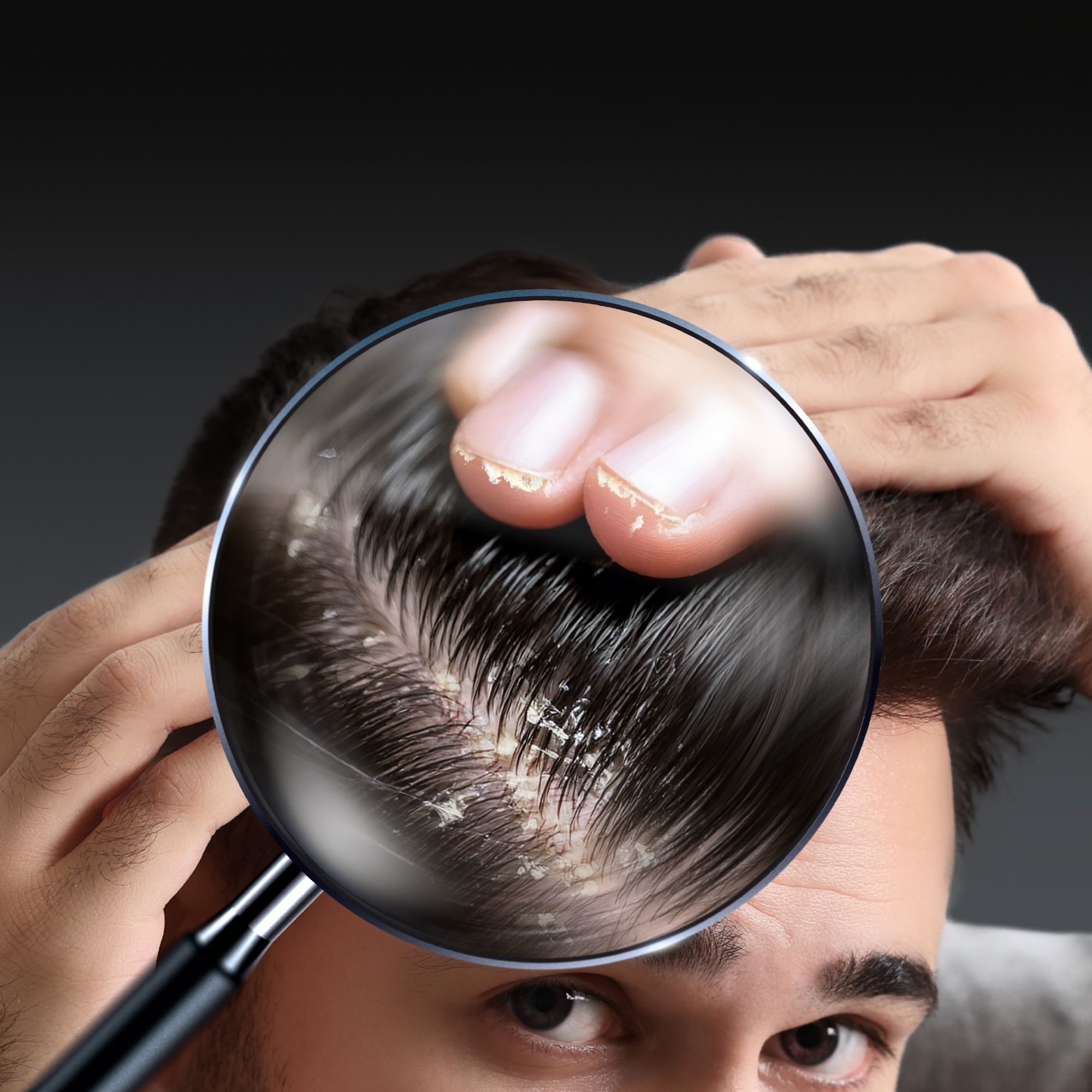
Summer brings sunshine, vacations, and outdoor fun, but for many people, it also brings an unwelcome guest: dandruff. If you have an oily, sweaty scalp, rising temperatures and humidity can make flakes, itchiness, and irritation worse. Understanding why dandruff intensifies in summer and how to manage it effectively can help you keep your scalp healthy and comfortable all season long.
Why Dandruff Gets Worse in Summer
Hot weather increases sweat and oil (sebum) production on the scalp. When sweat mixes with excess oil and dead skin cells, it creates the perfect environment for the overgrowth of Malassezia, a naturally occurring yeast on the scalp. This can trigger inflammation, itching, and visible flakes.
Frequent outdoor activities, sun exposure, and product buildup from sunscreen or styling products can also clog hair follicles and irritate the scalp. If you already have conditions like seborrhoeic dermatitis, summer humidity may intensify symptoms.
Key Takeaways
- Summer heat increases sweat and oil production, creating an ideal environment for Malassezia overgrowth that leads to inflammation, itching, and visible flakes.
- Sun exposure, outdoor sweat, and product buildup can clog follicles and irritate the scalp, worsening dandruff, especially in those with seborrhoeic dermatitis.
- Choose the Right Shampoo for Summer
The foundation of controlling flakes is using the right cleanser. Look for a summer dandruff shampoo for an oily scalp that balances oil production while targeting fungal growth. Ingredients like ketoconazole, piroctone olamine, zinc pyrithione, salicylic acid, or selenium sulphide can effectively reduce flakes and soothe irritation. For those who prefer oil-absorbing formulations, a charcoal shampoo for dandruff and hair fall can help draw out impurities and reduce excess oil without making the scalp overly dry.
When washing:
- Shampoo 2–3 times a week (or as needed based on sweat levels).
- Gently massage the scalp for 2–3 minutes before rinsing.
- Avoid using very hot water, as it can stimulate more oil production.
Key Takeaways
- Use a suitable summer dandruff shampoo for oily scalp with antifungal or oil-balancing ingredients to control flakes and soothe irritation; charcoal-based formulas can help absorb excess oil and impurities.
- Keep Your Scalp Cool and Dry
A sweaty scalp is a breeding ground for dandruff. After workouts or long hours outdoors:
- Rinse your scalp with water if you don’t want a full shampoo.
- Pat your hair dry instead of tying it up while wet.
- Avoid tight hats or caps for long periods, as they trap heat and moisture.
If you wear helmets or caps frequently, make sure they are clean and well-ventilated.
Key Takeaways
- Keep your scalp cool and dry by rinsing after heavy sweating, patting hair dry before tying it, and avoiding prolonged use of tight hats or caps that trap heat and moisture.
- Choose Lightweight Hair Products
Heavy conditioners, oils, and styling creams can build up quickly on an oily scalp, worsening flakes. During summer:
- Apply conditioner only to the hair lengths—not the scalp.
- Opt for lightweight, non-comedogenic styling products.
- Avoid excessive use of dry shampoos, which can accumulate and irritate the scalp.
Clarifying shampoos (used occasionally) can help remove stubborn buildup, but avoid overuse to prevent dryness.
Key Takeaways
- Use lightweight, non-comedogenic hair products in summer, applying conditioner only to the lengths to prevent buildup on the scalp.
- Limit dry shampoo use and occasionally use a clarifying shampoo to remove residue, but avoid overuse to prevent scalp dryness and irritation.
- Try Natural Remedies (With Caution)
Some home remedies may help control mild dandruff:
- Tea tree oil (diluted) has antifungal properties.
- Apple cider vinegar rinses may help balance scalp pH.
- Aloe vera can soothe itching and inflammation.
Always patch-test before applying any natural remedy, especially if your scalp is sensitive.
Key Takeaways
- Mild dandruff may improve with diluted tea tree oil for its antifungal action, apple cider vinegar to help balance scalp pH, or aloe vera to calm itching and inflammation.
- Always perform a patch test before trying natural remedies, particularly if you have a sensitive or easily irritated scalp.
- Maintain a Scalp-Friendly Lifestyle
Your diet and habits can also influence scalp health:
- Stay hydrated to regulate oil production.
- Reduce excessive sugary and greasy foods.
- Manage stress, as it can worsen dandruff flare-ups.
If dandruff is accompanied by redness, thick scales, or hair loss, consult a dermatologist. You may be dealing with a more serious scalp condition that requires medical treatment.
Key Takeaways
- Support scalp health by staying well hydrated, limiting sugary and greasy foods, and managing stress to help reduce dandruff flare-ups.
- Seek medical advice if you notice persistent redness, thick scales, or hair loss, as these may indicate a more serious scalp condition requiring treatment.
Final Thoughts
Summer dandruff doesn’t have to ruin your confidence. By balancing cleansing, managing oil and sweat, and choosing the right products, you can control flakes and maintain a healthy scalp even in hot, humid weather. A consistent routine—tailored to your scalp type—is the key to staying flake-free all summer long.
FAQS
Q1. What is the best shampoo for dandruff in summer for an oily, sweaty scalp?
The best choice is a medicated anti-dandruff shampoo formulated for oily scalps. Look for ingredients like ketoconazole, zinc, or salicylic acid to control flakes, reduce excess oil, and calm itching. Lightweight, clarifying formulas work best during hot, sweaty summer months.
Q2. Which charcoal shampoo for hair loss is safe for daily use on oily, dandruff-prone scalp?
Choose a mild charcoal-based shampoo with a gentle cleansing base and no harsh sulphates. It should balance oil, remove buildup, and soothe the scalp without overdrying. Daily use is safe if the formula is non-stripping and suitable for sensitive, dandruff-prone scalps.
