


Key Takeaways
- Ensure new hires align with your company culture for a harmonious work environment.
- Use behavioral interviews and work simulations for deeper insights into a candidate’s potential fit.
- Consider employee referrals and trial periods to assess compatibility and reduce turnover rates.
Introduction
When expanding your team, finding the right fit becomes crucial not only for productivity but also for maintaining morale and cohesion. Hiring someone based solely on skills might not guarantee a successful integration. The new employee must also align with your company’s culture and values. This process, often referred to in the context of what is talent acquisition, involves strategies and methods to gauge a potential hire’s compatibility with your team dynamics.
Misalignment in team fit can result in numerous challenges, ranging from routine communication breakdowns to reduced overall morale, and can even lead to increased turnover rates in your organization. By prioritizing cultural and team fit, you create a more cohesive, resilient, and ultimately more successful working environment. Let’s explore some effective ways to assess team fit, ensuring a seamless blend of new talent into your existing team framework.
The Importance of Cultural Fit
Culture is the backbone of any organization. It defines how employees interact, solve problems, and achieve goals. A good cultural fit can lead to increased job satisfaction, enhanced performance, and long-term employee retention. Companies that integrate cultural considerations into their hiring processes often report higher levels of employee engagement, satisfaction, and commitment. This approach fosters an environment where employees feel understood, valued, and motivated towards achieving common goals.
Ignoring cultural fit can be detrimental. For instance, a mismatched hire may struggle to engage with team members, leading to friction and misunderstandings. To mitigate this risk, organizations must strive to understand their own cultural values and communicate them effectively in their hiring practices, ensuring prospective employees understand and resonate with them.
Key Indicators of Team Compatibility
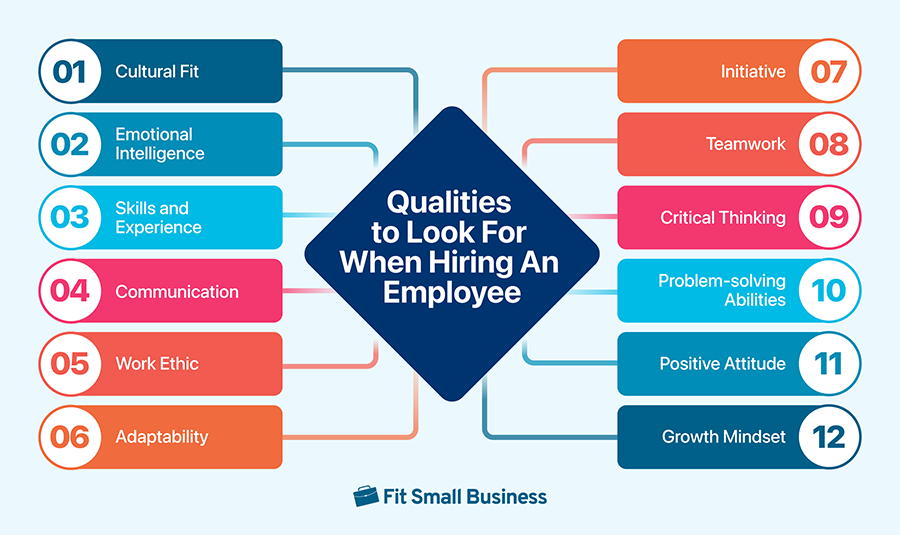
Identifying the characteristics that signify a good team fit is essential. Candidates who exhibit adaptability, strong communication, and a collaborative mindset align well with team environments, fostering an atmosphere of trust and understanding. These attributes indicate a readiness to adapt to different working styles, embrace new challenges, and contribute positively to the team’s goals.
Behavioral Interviews: A Window into Past Experiences
Behavioral interviews are invaluable for understanding a candidate’s past actions as predictors of future behavior. These interviews focus on experiences that highlight how candidates have handled challenges, worked with others, and made decisions. By using scenarios from their past, you can gauge how they’ll perform in similar situations within your organization. This method provides concrete examples of their problem-solving skills and teamwork tendencies, offering a realistic assessment of their potential integration into your company culture.
Work Simulations: Tackling Real-World Scenarios
Work simulations provide more than just an idea of a candidate’s competence; they reveal how the individual approaches problem-solving and team interactions. These simulations mimic real tasks they would encounter in their role, offering you insights into their practical capabilities and team collaboration skills. By observing candidates in action, you gain valuable insights into their working style and adaptability, helping you predict how they will contribute to your team’s dynamics.
The Role of Employee Referrals
Employee referrals have proven to be an effective method of hiring. This approach not only speeds up the hiring process but also ensures a better cultural fit. According to a recent Forbes article, employees hired through referrals tend to stay longer because they already have an insider’s perspective of your company culture. Colleagues who recommend potential hires usually have a good understanding of what the team needs, and they won’t vouch for someone who doesn’t fit.
Referrals streamline the recruitment process, effectively pre-screening candidates who are likely to already have a connection with your company’s values and ethos. This familiarity can enhance integration speeds and positively impact team dynamics, as referred candidates often enter their roles with a higher degree of cultural awareness and readiness to engage.
Utilizing Psychometric Testing
Psychometric tests serve as a reliable tool for assessing potential hires’ personalities, motivations, and aptitudes. These tests help you evaluate whether their working style aligns with the role and team they will be joining. Integrating psychometric tests into your hiring process can provide an additional layer of understanding often missing from traditional interviews.
Psychometric assessments analyze various facets of a candidate’s character, including their cognitive abilities, emotional intelligence, and suitability for specific work environments. This insight is valuable as it can predict how well they will blend with your existing team and adapt to the challenges of the role. Ultimately, these tests help in forming more comprehensive profiles of candidates, guiding hiring managers in making informed decisions.
Trial Periods for New Hires
Offering a trial period can be an insightful strategy to observe how well a new hire blends into your team dynamics. During this period, you’ll be able to see their day-to-day interactions with colleagues, how they tackle workplace challenges, and their overall contribution to team spirit. As recommended by SHRM, trial periods are effective for testing the waters, allowing you and the hire to ensure the match is mutually beneficial.
Contrary to permanent hiring agreements that can be difficult to break, trial periods offer a flexible framework for both parties to explore the compatibility and performance aspects of the new hire. During this time, focus on integration and collaboration opportunities, ensuring they have the support needed to succeed. If they finish the trial period successfully, you have a clearer understanding of their fit within the team.
Feedback from Team Members
Incorporating feedback from existing team members who have interacted with the candidate can provide valuable insights. Your team members’ perceptions can highlight whether the new hire embodies your cultural values and how they complement or disrupt team dynamics. This feedback is crucial for making informed decisions that affect group cohesion and workflow.
By inviting team members to share their impressions, you gain a fuller picture of the candidate’s compatibility. Their firsthand experiences can highlight strengths or potential challenges that weren’t evident during interviews or simulations, thus giving you a comprehensive view of the candidate’s fit.
