


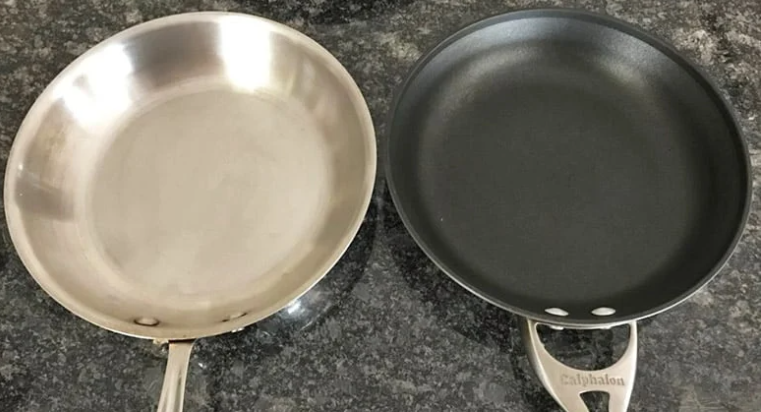
Hand anodizing is one of the most common finishing techniques used for cookware such as pans and other derivatives. The thick and hard aluminum oxide layer enhances durability and long-lasting performance. You can apply various colors to improve your brand visibility. Furthermore, it is compatible with non-stick coatings and safe for all types of ingredients.
If you are looking for how to make a custom-colored hard anodized pan, you’ve come to the right place. This article will explain what hard anodizing is, how to custom pan hard anodized color online, and tips for cheaper hard anodized cookware.
What is Hard Anodizing
Hard anodizing, also known as type III anodizing, is a process that creates a thick oxide layer on a workpiece. It transforms the surface of the substrate into a strong and durable finish. Hard anodizing is used extensively for cookware because it is safe and hygienic. However, it also has applications in the aerospace and marine industries.
The process of hard anodizing begins with the preparation of the workpiece by cleaning all forms of contaminants that can interfere with and cause unwanted reactions. You then prepare the electrolytic bath which is usually sulfuric acid. Pass a direct current through the bath for the oxide layer to develop. The oxygen ions in the bath reach with aluminum to form a layer that grows outwardly. You then seal the layer and color as you please.
Hard anodizing is different from the conventional anodizing technique. Hard anodized wares have a thicker and more durable oxide layer. Furthermore, they are easily customizable as there are a lot of color options available.
How to Custom Pan Hard Anodized Color Online
You can either custom pan hard anodized color online or offline. Online is the preferred method because it is easy and stress-free, especially for those who are not within the proximity. Let’s look at a stepwise process on how to go about it
Step 1- Define Your Requirements
The first step is to clearly define your project requirements to get a sense of direction. This involves determining the particular aluminum alloy you want to use, the desired color, and any additional finishing. You should also identify the order volume and the number of parts you want to produce. It is at this point you determine your budget and how much you would like to invest.
Step 2- Research and Shortlist Suppliers
Now, you should research potential suppliers you would work with. You do this using platforms such as Thomasnet that connect buyers and suppliers. You can also go about this by reaching out to industry experts to ask for a guide. Furthermore, the research covers referrals and word of mouth. After researching the suppliers, the next thing to do is to shortlist. When shortlisting, focus on their capabilities, quality certifications, and standards. If possible, make a pros and cons list to aid the selection process.
Step 3- Reach Out
By now, you should have narrowed down the number of suppliers. The next step is to reach out either by sending a detailed mail or talking to their representative on the company’s website. Ask if they are fully booked or can take your order to be delivered on a particular date. Inquire about the common color options they deal in and be sure they match what you want. If possible, request for a physical sample to be delivered to you. Check for color consistency, thickness details, and overall aesthetics.
Step 4- Finalize Terms
The next step is to finalize the terms. When communicating with them online, ensure you state your requirements clearly and be sure everyone is on the same page. You can sign a written agreement to avoid confusion. When requesting a quotation, be as detailed as possible. Ensure the costs are itemized and divided into set up, labor, anodizing, and coloring. Make sure the costs related to shipping and logistics are added for those that are not in the proxy.
Step 5- Monitor Production
After confirming payment, kick-start the production process. Ensure you are updated through every aspect of the operation. This will help ensure that the production team performs maximally and efficiently. Make the communication open-ended. If you notice any issues, reach out immediately. This will help detect errors that can be detrimental early.
Step 6- Review and Evaluate
After receiving your package, inspect the parts thoroughly. Check if the color used is the desired one and be sure it is thick enough. If unsatisfied, reach out to find out what the next line of action is. Conversely, if the product meets and exceeds your expectations, provide positive feedback to the supplier. Keep the communication line open, maintain a healthy relationship, and plan for future orders.
Tips for Cheaper Hard Anodized Pan
When compared to traditional cookware, hard anodized pans are more expensive to manufacture. However, they are worth every penny because of their durability and performance. Note that there are tips one can employ that can make the product more affordable to end users. The following are some approaches that you can use to reduce cost while maintaining quality.
Optimize Material Selection
The material cost is a significant part of the overall processing cost. The expenses you spend to procure aluminum alloys differ and it depends on the particular type you are working with. Always go for a more affordable option that can perform the same function. Furthermore, buy your material in bulk and at once. Bulk buying allows you to negotiate for discounts.
Simply the Design
Anodizing is usually the last step in manufacturing a pan and other cookware. During the main manufacturing process, simplify the design and avoid over-engineering to cut labor costs. Make sure the designs are straightforward and ensure they are uniform across multiple models. When assembling the anodized components post-production, reduce the use of rivets and other types of fasteners. The cost of these fasteners adds up significantly.
Explore Cost-Effective Alternatives
When using a nonstick coating with colors, go for a single standard layer. Do not use multiple layers if a single one will perform the function. This is because as the number of layers increases, the time and cost of production increases. Furthermore, for very large cookware, use hard anodized coating for only essential features. This will help the pan function maximally at a low cost.
Optimize Distribution
If you are just starting, avoid producing and storing the parts in large quantities. Keeping in the warehouse for a long time increases inventory costs. This is especially true for heavy cookware and those that need special storage requirements. If possible, implement just-in-time manufacturing to avoid waste and cost of unsold inventory. Furthermore, sell to the consumers directly and limit the use of intermediaries.
Conclusion
Custom-colored hard anodized pan provides both functional and aesthetic benefits. The process of anodizing before coloring increases color retention and prevents fading even after prolonged use. The use of custom colors gives your products a distinctive look and makes them stand out in marketplaces. When customizing a hard anodized pan online, you have to define your project requirements before reaching out to potential suppliers. If satisfied, place an order and wait for delivery. After finalizing, ensure you maintain a long-term relationship and use them for future orders.
