


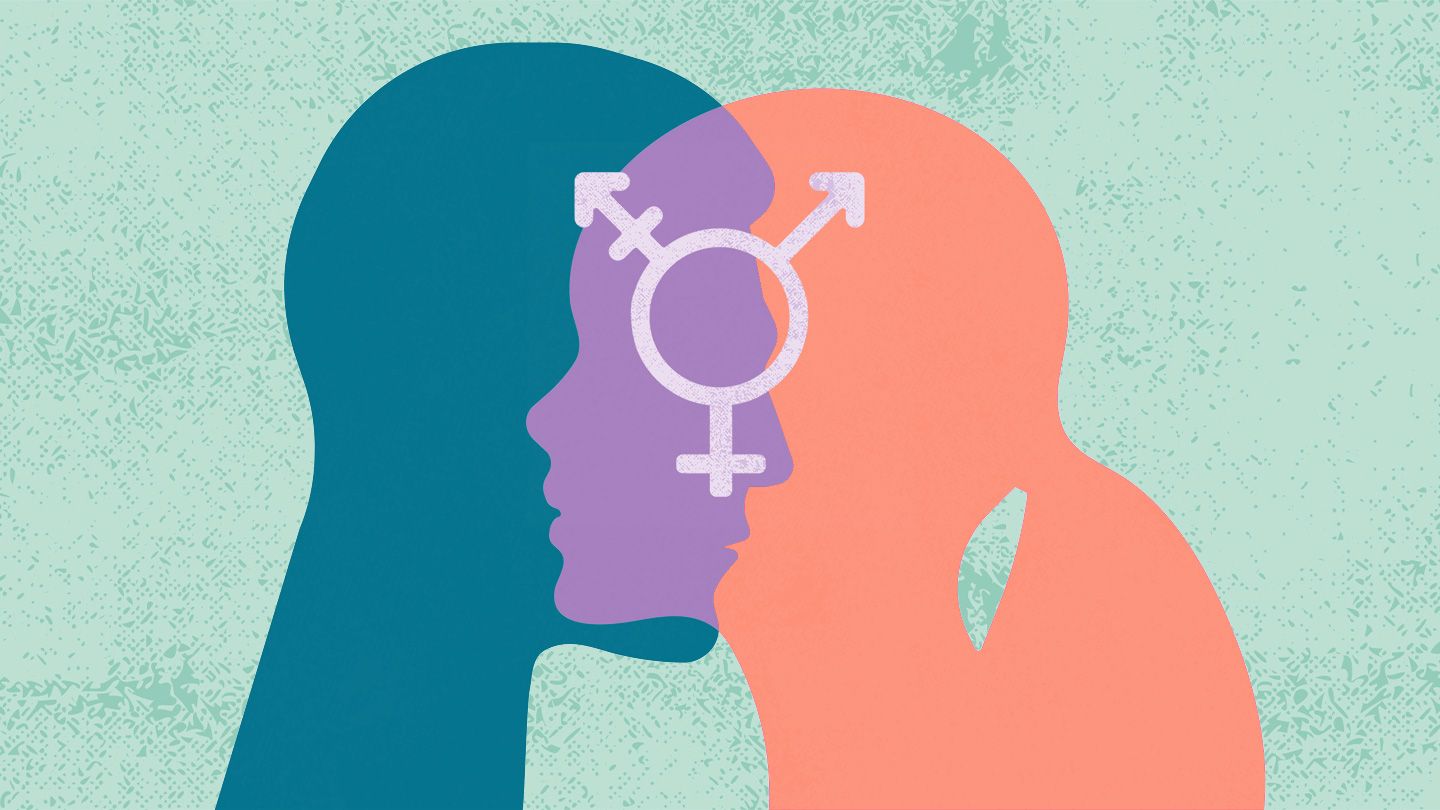
Gender dysphoria can be a complex and challenging experience. Psychiatrists play a key role in supporting those facing this condition. They help by offering guidance, understanding, and a path forward. Their work goes beyond blue water psychiatry. It involves listening, diagnosing, and planning personalized treatments. Through counseling, medication, and ongoing care, psychiatrists provide crucial support in the journey toward self-acceptance and well-being.
Understanding Gender Dysphoria
Gender dysphoria is a feeling of discomfort or distress that might occur when a person’s gender identity does not match their assigned sex at birth. This can affect everyday life, making routine activities challenging. Recognizing these feelings is the first step towards seeking help. Psychiatrists can provide a safe space to explore these emotions and work towards understanding one’s true self.
Diagnosis and Assessment
Psychiatrists use thorough assessments to diagnose gender dysphoria. This process includes discussions about feelings, experiences, and overall mental health. A proper diagnosis helps in creating a tailored treatment plan. According to the National Institute of Mental Health, early diagnosis can improve outcomes and enhance quality of life.
Treatment Options
Once diagnosed, a treatment plan can be developed. Treatment often involves three main components:
-
Therapy: Talking therapies offer a chance for individuals to express feelings and explore their identity.
-
Medication: Hormone therapy may be recommended to align physical traits with gender identity.
-
Support: Ongoing support groups or counseling can be vital in maintaining mental health.
Therapeutic Support
Therapy provides a supportive environment to discuss thoughts and feelings. Cognitive-behavioral therapy (CBT) is often used to help manage anxiety or depression that can accompany gender dysphoria. Exploring identity in a non-judgmental space helps individuals gain confidence and clarity.
Medication and Hormonal Treatment
In some cases, medication can assist in the transition process. Hormone therapy can be a significant step for those seeking to align their physical appearance with their gender identity. Psychiatrists work closely with endocrinologists to monitor progress and ensure safety. The Mayo Clinic highlights the importance of regular check-ups during hormone therapy to track changes and adjust dosages as needed.
Comparing Treatment Approaches
Ongoing Support
Support doesn’t end with treatment. Regular follow-ups with a psychiatrist help manage any emerging issues. Support groups offer community and understanding from those with similar experiences. This is key to maintaining mental health and a sense of belonging.
The Impact of Psychiatric Care
The right psychiatric support can transform lives. By addressing both mental and physical health, psychiatrists help individuals achieve a sense of congruence. This leads to improved confidence, happiness, and overall well-being. With compassionate care, individuals with gender dysphoria can lead fulfilling lives.
In summary, psychiatrists are vital in the treatment of gender dysphoria. Their expertise in diagnosis, therapy, and ongoing care supports individuals through their journey of self-discovery and acceptance.
